
Custom T-Shirts in Australia With No Minimum Order: Your Complete Guide
Discover how to order custom t-shirts in Australia with no minimum quantities — tips on costs, print methods, turnaround times and more.

Written by
Mitchell Byrne
Custom Apparel
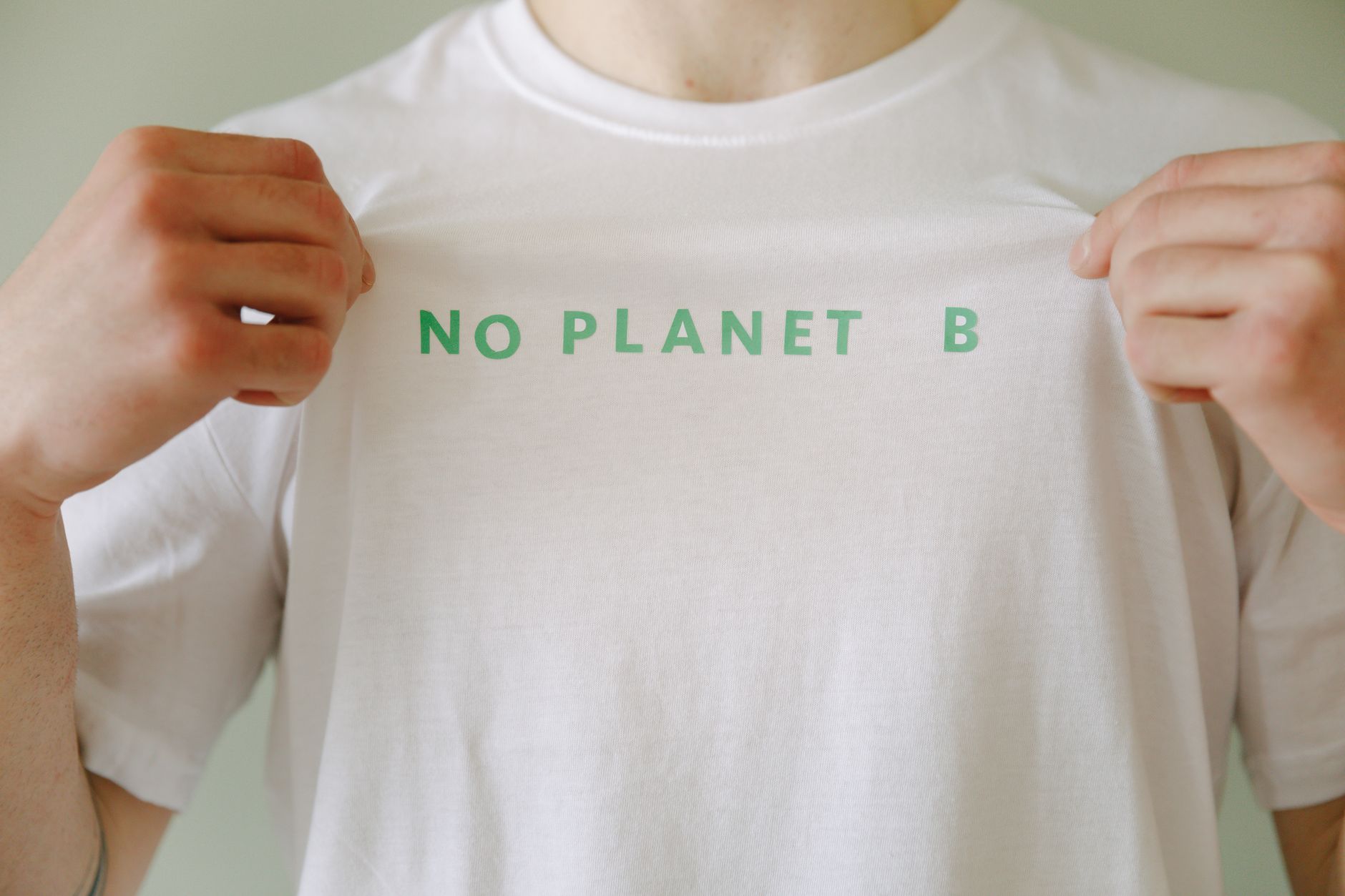
Whether you need one shirt for a staff member’s uniform or fifty for an upcoming school event, the idea of ordering custom t-shirts in Australia with no minimum requirement is genuinely appealing. Traditional bulk orders have long been the standard approach in the promotional products world, but the landscape is shifting. More suppliers now offer flexible ordering options, and understanding how to navigate them — without blowing your budget or compromising on quality — can save you a significant amount of time and money. This guide breaks down everything you need to know about custom t shirts australia no minimum orders, from decoration methods and pricing realities to turnaround times and when it actually makes sense to go this route.
What Does “No Minimum” Really Mean for Custom T-Shirts?
The phrase “no minimum” is everywhere online, but it’s worth understanding what it actually means in practice. For most Australian suppliers, a no minimum order typically means you can order as few as one to five pieces without being locked into a bulk purchase. However, there are trade-offs.
When you order small quantities, per-unit costs are considerably higher. Setup fees — which cover screen preparation, embroidery digitising, or digital file processing — are spread across fewer items, which makes each shirt more expensive. A single custom t-shirt might cost $35–$65 depending on the blank garment quality and the decoration method, whereas the same shirt at 100 units could drop to $12–$18 per piece.
That said, there are perfectly legitimate reasons to order small quantities:
- Replacing a single team member’s uniform
- Ordering a sample before committing to a large run
- Producing shirts for a small community group, school committee, or family event
- Testing a new design before rolling it out more broadly
Understanding why you need a small order will help you choose the right supplier and decoration method — and manage your expectations around pricing and turnaround.
Decoration Methods That Work for Small Quantity Custom T-Shirts
Not every printing method is suited to low or no minimum orders. Here’s how the main options stack up.
Direct-to-Garment (DTG) Printing
DTG is arguably the best fit for no-minimum custom t-shirts in Australia. Because it works like an inkjet printer directly onto the fabric, there’s no screen setup required — which eliminates a major cost barrier. Colours are vibrant, detail is excellent, and you can print a single shirt just as cost-effectively as ten.
The limitations? DTG works best on 100% cotton garments and lighter base colours tend to yield sharper results. It’s not always ideal for very large design areas or highly saturated colours on dark fabrics without a white underbase.
Screen Printing
Screen printing is the gold standard for bulk t-shirt orders, but it’s less economical at low quantities. Each colour in your design requires a separate screen, and setup fees typically range from $30–$80 per colour. For a two-colour design, you might pay $60–$160 in setup costs alone before printing a single shirt. At high volumes, this becomes negligible — but on a run of five shirts, it’s a significant proportion of your total spend.
Some Australian suppliers do offer screen printing at low minimums, particularly for single-colour designs. If your artwork is simple and you’re happy to pay a setup fee, it can still be a viable option.
Heat Transfer and Vinyl Cutting
Heat transfer and vinyl-cut designs are well suited to small runs and custom t shirts australia no minimum scenarios. They require minimal setup, can be produced quickly, and are available through a wide range of local suppliers across Sydney, Melbourne, Brisbane, and beyond. The trade-off is that heat transfer prints can be less durable over time, particularly with frequent washing.
Embroidery
Embroidery adds a premium, professional look to custom t-shirts and is a popular choice for corporate uniforms and school garments. It does require digitising — converting your artwork into a stitch file — which typically costs $30–$60 as a one-off fee. Once digitised, small quantities are perfectly achievable, making embroidery a solid option for one-off or low-volume orders where quality matters.
For more detail on comparing these methods, take a look at our overview of promotional products trends in Australia in 2026 to see how decoration techniques are evolving across industries.
Pricing Realities: What Should You Budget?
Let’s be honest: custom t-shirts with no minimum are more expensive per unit than bulk orders. That’s simply the economics of production. Here’s a rough guide to what you might expect to pay in Australia in 2026:
| Order Quantity | Approx. Price Per Shirt (Basic Design) |
|---|---|
| 1–5 shirts | $30–$65 |
| 6–11 shirts | $20–$35 |
| 12–23 shirts | $15–$25 |
| 24–47 shirts | $10–$18 |
| 48+ shirts | $7–$14 |
These figures are general estimates and will vary depending on the blank garment, decoration method, number of print colours, and supplier location. Suppliers in capital cities like Sydney and Melbourne may charge slightly more due to higher operating costs, while those in regional areas might offer competitive pricing on turnaround.
Keep in mind that express turnaround — often needed for events or conferences — will also carry a premium. Standard lead times for small custom t-shirt orders in Australia generally range from 5–10 business days, while rush orders (2–4 business days) will incur additional charges.
If you’re ordering branded merchandise alongside your t-shirts — say, for a trade show or corporate event — it’s worth reviewing our trade show booth ideas guide to ensure your apparel fits cohesively within your broader promotional strategy.
When No-Minimum Custom T-Shirts Make Sense
There are specific scenarios where ordering without a minimum quantity is genuinely the right call.
School Events and Small Groups
A Brisbane primary school organising a maths competition team of eight students doesn’t need 50 shirts. A small Perth football club needing jerseys for a reserves squad of twelve doesn’t want to order 24 and have spares sitting in a storeroom. No-minimum or low-minimum suppliers serve these needs well.
Sample Ordering Before a Large Run
Ordering one or two samples before committing to 200 units is simply good practice. It lets you check garment fit, colour accuracy, and print quality before finalising your investment. Many Australian suppliers accommodate sample orders, and the cost is usually worth it for large-scale projects.
One-Off Corporate Gifting
Custom t-shirts make excellent personalised corporate gifts for long-serving employees, VIP clients, or competition winners. When you only need a handful of personalised items — particularly with individual names or unique artwork — a no-minimum supplier is ideal. Pair these with other thoughtful items like a reusable water bottle or travel coffee mug for a polished gift set.
Testing a New Brand or Design
If you’re a Melbourne startup testing out your new brand identity on apparel before committing to a larger production run, ordering a small batch is sensible. It lets you gather real-world feedback on how the design looks and wears before scaling up.
Artwork and File Requirements You Need to Know
Regardless of quantity, getting your artwork right is critical. Poor quality files are one of the most common causes of delays and disappointing results. Here’s what most Australian suppliers need:
- Vector files (AI, EPS, or PDF with outlines) are preferred for screen printing, embroidery, and vinyl
- High-resolution raster files (300 DPI minimum at print size) are acceptable for DTG
- PMS colour references if colour matching is critical for your brand
- Clear artwork briefs including print size, placement, and any colour restrictions
If you’re ordering eco-friendly variants — organic cotton or recycled polyester blends — it’s worth reading up on our sustainable promotional products Australia guide for additional considerations around materials and certifications.
Finding the Right Supplier in Australia
When searching for custom t shirts australia no minimum suppliers, look for these key indicators of a reputable provider:
- Clear pricing with setup fees and per-unit costs broken out separately
- Online proof approval so you can review your design before production begins
- Garment samples or a swatch service so you can check quality before ordering
- Australian-based customer service for faster communication and accountability
- Transparent turnaround times with realistic expectations around express options
It’s also worth considering whether your supplier understands your sector. A supplier experienced with corporate clients will understand brand guidelines and PMS matching. One with school experience will know how to handle multiple size runs and budget constraints.
For broader context on how the promotional products industry operates in Australia, our promotional product industry workforce and employment trends guide offers valuable perspective on supplier capabilities and market dynamics.
If you’re also exploring other branded merchandise for your event or campaign, our promotions hub is a great starting point to explore the full range of options — from promotional notebooks recycled to promotional hi-vis vests for electrical contractors.
Conclusion: Key Takeaways
Ordering custom t shirts australia no minimum is entirely possible in 2026, and for the right situations, it’s a smart and practical choice. Here’s a summary of the most important points to take with you:
- No-minimum doesn’t mean low-cost per unit — expect to pay a premium compared to bulk orders, especially with setup fees factored in
- DTG printing is your best friend for small runs — no screens, no setup fees, and excellent results on cotton garments
- Artwork quality matters regardless of quantity — always supply vector files or high-resolution artwork to avoid delays and reprints
- Sample orders are worth the investment — especially before committing to large quantities for schools, corporate events, or sporting clubs
- Choose a supplier who understands your sector — whether you’re a Gold Coast business, a Canberra government department, or a Darwin community group, industry experience translates to better outcomes
- Think holistically about your merchandise — custom t-shirts work best as part of a considered branded merchandise strategy, not in isolation
With the right supplier and a clear brief, small-batch custom t-shirts in Australia can be high-quality, professionally produced, and genuinely impactful — whether you need one or a hundred.