
Apparel Labels for Branded Clothing: The Complete Australian Guide
Everything Australian businesses and schools need to know about apparel labels for branded clothing — types, decoration methods, and ordering tips.

Written by
Mitchell Byrne
Custom Apparel
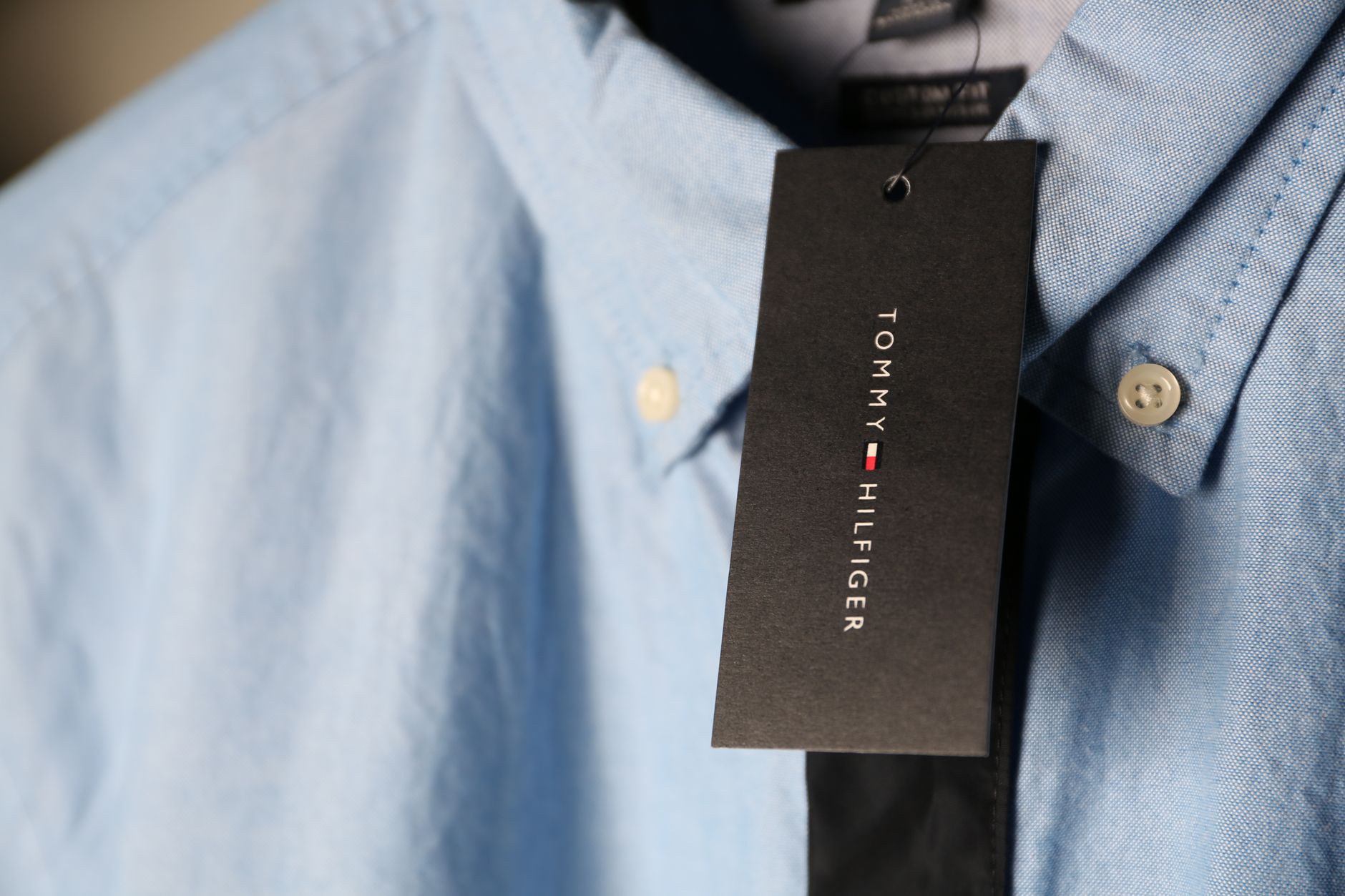
When most people think about branded clothing, they focus on the logo on the chest, the embroidered name on the back, or the bold screen print down the sleeve. But there’s a detail that separates truly professional branded apparel from something that simply looks like a bulk order — and that detail is the apparel label. Whether you’re outfitting a Sydney corporate team, kitting out a Melbourne school sports programme, or producing merchandise for a Brisbane trade show, getting your apparel labels right sends a message about the care and quality behind your brand. This guide covers everything you need to know before you order.
What Are Apparel Labels and Why Do They Matter?
Apparel labels are the identifying tags, patches, and branding elements attached to or printed directly onto garments. They serve a practical function — communicating sizing, care instructions, and fibre content — but for branded merchandise, they do much more than that. A well-designed label turns a generic polo shirt or hoodie into a branded product that feels considered and complete.
Think about the last time you received a premium gift or wore a quality uniform. Chances are there was a crisp label, a neat care tag, or a woven patch that reinforced the brand’s attention to detail. That’s the power of apparel labels in a professional context.
For Australian businesses ordering custom workwear, promotional t-shirts, or event uniforms, labels are often the finishing touch that elevates an entire garment order. Schools running uniform programmes, councils sourcing staff polos, and event organisers producing conference shirts all benefit from giving labels the same consideration as any other decoration element.
It’s also worth noting that Australian Consumer Law requires garments sold commercially to carry fibre content and care instruction labels — something to keep in mind if your branded apparel is being sold rather than distributed as promotional items.
Types of Apparel Labels Used in Branded Merchandise
Understanding the different label types available will help you make smarter decisions when briefing your supplier. Each option comes with its own aesthetic, feel, cost point, and application method.
Woven Labels
Woven labels are the gold standard for premium branded garments. Created on a loom using threads, they produce a crisp, professional finish with fine detail. They’re commonly sewn into the collar area, side seams, or cuffs. If you’re producing a long-running uniform programme — like a Canberra government department’s team shirts or a Perth private school’s sports kit — woven labels add a level of permanence and quality that other label types can’t match.
Typical minimum order quantities for woven labels start at around 100 units, though many suppliers prefer runs of 500 or more to keep costs reasonable. They’re particularly effective for logos with clean lines and limited colours.
Printed Labels
Printed labels (also called satin or taffeta printed labels) are a cost-effective alternative to woven labels. A brand logo and text are printed onto a fabric ribbon, which is then sewn into the garment. The quality has improved significantly in recent years, and for mid-range merchandise budgets, printed labels deliver a clean result.
They’re a popular choice for schools and not-for-profits across Adelaide and Hobart that want a professional look without the cost of woven production.
Heat Transfer Labels
Heat transfer labels — also called tagless labels — are applied directly to the inside of the garment fabric using heat and pressure. They eliminate the scratchy feel of traditional sewn-in labels, which makes them especially popular for children’s clothing, activewear, and garments worn close to the skin.
This method is widely used in custom sportswear, school PE uniforms, and promotional fitness apparel. If you’re producing run merchandise for a fun run in Gold Coast or activewear for a Darwin fitness club, heat transfer labels are well worth considering. They pair naturally with promotional essential oils for gym and fitness centres in a complete wellness merchandise package.
Embroidered Patches and Badge Labels
For rugged or heavy-duty garments — think trade uniforms, outdoor wear, or hi-vis workwear — embroidered patches serve as a branded label alternative. They’re stitched directly onto the garment or produced as separate pieces that are sewn on during or after production.
Electrical contractors, construction companies, and trade businesses ordering promotional hi-vis vests often prefer embroidered patches because they withstand harsh conditions, repeated washing, and physical wear far better than printed alternatives.
Neck Labels and Tear-Away Labels
Neck labels sit at the collar and carry the brand name, sizing, and sometimes care information. Tear-away labels (or tear-off labels) are designed with a perforated edge so the wearer can remove the label easily while retaining the branding information printed directly on the fabric.
These are common in promotional t-shirt production and are a favourite for events, trade shows, and conferences where comfort over a long day matters. For anyone planning large-scale event apparel, our trade show booth ideas guide covers how branded clothing fits into a cohesive event presence.
Key Considerations When Ordering Custom Apparel Labels
Getting the labelling right takes a bit of planning. Here are the most important factors to work through before briefing your supplier.
Artwork and Logo Complexity
Woven and embroidered labels work best with logos that have clean lines and limited colours — ideally no more than four to six thread colours. Highly detailed logos with gradients or fine typography can lose clarity when woven or embroidered at small sizes. Printed labels handle more colour complexity but may not feel as premium.
When you’re reviewing promotional products trends in Australia for 2026, you’ll notice that minimalist branding continues to dominate — which actually plays well with apparel label design.
Sizing Information and Compliance
If your branded garments will be distributed as part of a uniform programme or sold, Australian sizing standards and care instructions must be included. Always confirm with your supplier whether care symbols need to be woven or printed into the label alongside your brand identity. For promotional giveaways, there’s more flexibility — but clear sizing information is still good practice.
Lead Times and Production
Custom apparel labels add time to the overall production schedule. Woven labels typically require three to five weeks from artwork approval, while printed and heat transfer labels can often be turned around in two to three weeks. Factor this into your broader garment production timeline — especially if you’re ordering for a specific event date or the start of a school term.
Understanding the supply chain is important here. Our overview of shipping and logistics challenges in promotional product supply explains why building buffer time into your orders is always a wise move.
Budget Planning
Label costs vary significantly depending on the type and quantity. Here’s a rough guide to help with early budgeting:
- Woven labels: $0.40–$1.50 per unit at quantities of 500+
- Printed labels: $0.10–$0.40 per unit at quantities of 500+
- Heat transfer labels: $0.15–$0.60 per unit, depending on complexity
- Embroidered patches: $1.00–$4.00 per unit depending on size and stitch count
Setup fees (for digitising artwork or creating label templates) typically range from $50 to $150 and are a one-off cost. If you’re managing a budget-conscious order — perhaps for a school fundraiser or a charity run — it’s worth comparing label types carefully. For example, a Brisbane primary school ordering custom sports day shirts might choose heat transfer labels to keep per-garment costs down while still delivering a professional finish.
How Apparel Labels Fit Into a Broader Branding Strategy
Labels rarely exist in isolation. When you’re producing branded clothing, every detail contributes to the overall impression your brand makes. The decoration on the front of the garment, the label at the collar, the care tag at the side seam, and even the packaging the garment arrives in all communicate something about your brand values.
For organisations investing in sustainable promotional products, there are even eco-friendly label options available — labels made from recycled polyester threads, organic cotton ribbon, or printed with water-based inks. A Melbourne council sourcing staff shirts for a sustainability initiative, for instance, can request fully sustainable labelling to align with their environmental commitments.
Labels also serve as an opportunity to add secondary brand messaging. Some organisations include their website URL, a QR code, or a short brand statement on the label — a small but memorable touch that adds value to every garment.
If your branded merchandise programme extends beyond apparel into areas like reusable water bottles, travel coffee mugs, or promotional notebooks made from recycled materials, consistent branding across all items — including labels — creates a cohesive and professional impression.
Working With Suppliers on Apparel Labels
When briefing a supplier on apparel labels, preparation makes a significant difference. Come to the conversation with:
- A high-resolution version of your logo (vector format preferred — AI, EPS, or SVG)
- Pantone (PMS) colour references for any specific brand colours
- Sizing and care instruction requirements if applicable
- Preferred label placement (neck, side seam, cuff, hem)
- Quantity and garment type being labelled
- Your timeline and delivery deadline
Ask your supplier for a physical sample or digital proof before approving the full production run. This is especially important for woven labels, where thread colour matching can sometimes differ slightly from a digital mockup. It’s a small step that prevents costly reprints.
For teams managing large apparel programmes — think a Queensland government department with hundreds of staff, or a university with multiple faculties across campuses — consolidating your label brief alongside the broader apparel order saves time, reduces admin, and often unlocks better pricing.
You can learn more about how broader merchandise programmes come together by exploring what’s happening across the promotional product industry and how it’s evolving.
Conclusion: Key Takeaways on Apparel Labels
Getting your apparel labels right is one of the most impactful finishing touches you can apply to a branded clothing order. Here’s a summary of what to keep in mind:
- Choose the label type that suits your garment and audience — woven for premium uniforms, heat transfer for activewear and children’s clothing, printed for cost-effective mid-range orders, and embroidered patches for rugged workwear
- Plan for lead times — custom labels add two to five weeks to production, so build this into your project schedule well before your deadline
- Prepare your artwork correctly — vector logos and PMS colour references will give you the best result across all label types
- Consider sustainability — eco-friendly labelling options are now widely available and align well with the values of modern Australian organisations
- Think holistically about branding — apparel labels are one part of a broader branded merchandise strategy, and consistency across all touchpoints strengthens your overall brand presence
- Always request a sample or proof before committing to full production, particularly for woven and embroidered labels
Whether you’re a small business in Adelaide ordering polo shirts for your team, a Sydney school launching a new uniform programme, or a national company coordinating branded apparel across multiple states, investing in quality apparel labels pays dividends in how your brand is perceived — and remembered.