
Custom Apparel Market Research Australia: What the Data Tells Us in 2026
Explore the latest custom apparel market research in Australia — key trends, stats, and insights to help businesses and schools make smarter merch decisions.

Written by
Ilona Szabo
Industry Trends & Stats
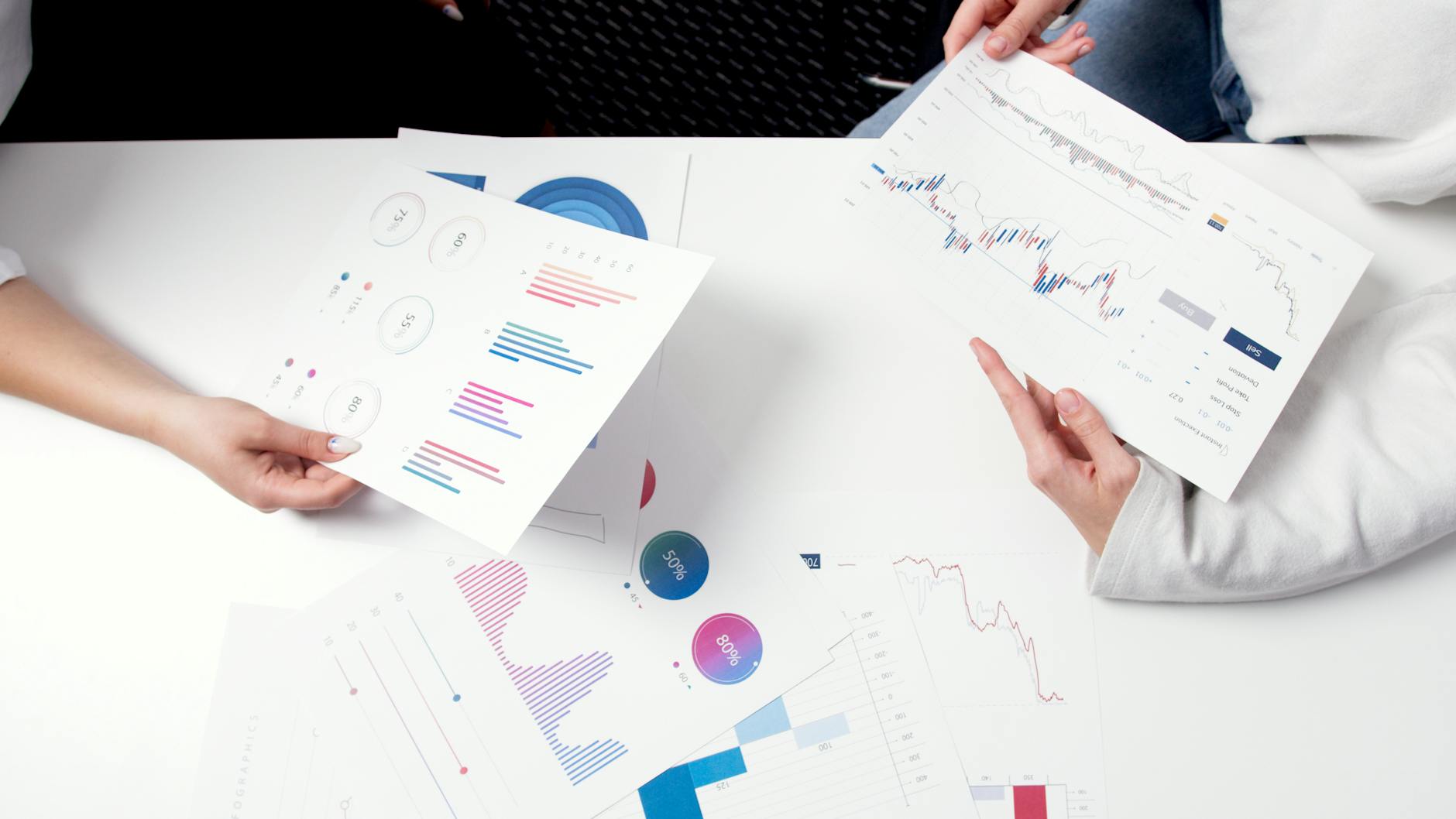
If you’ve ever wondered whether investing in branded clothing is actually worth it for your business, school, or organisation, you’re not alone. Custom apparel is one of the most widely used promotional tools across Australia, yet many buyers make purchasing decisions based on gut feeling rather than solid data. That’s where custom apparel market research Australia has become increasingly valuable — helping procurement managers, marketing teams, school administrators, and event organisers make smarter, evidence-backed decisions. This guide breaks down what the research actually tells us about the state of the custom apparel market in Australia in 2026, and what it means for your next branded merchandise project.
The State of the Custom Apparel Market in Australia
Australia’s promotional products industry has matured significantly over the past decade. Custom apparel — which includes branded t-shirts, polos, hoodies, caps, hi-vis workwear, and more — consistently ranks as the largest product category within the broader promotional merchandise sector. According to data tracked within the industry, custom clothing accounts for a substantial share of total promotional product spend, with corporate Australia, education institutions, and government bodies representing the lion’s share of buyers.
For context, it helps to understand the broader promotional products landscape. Our overview of promotional products trends in Australia 2026 highlights how apparel has remained at the top of the spending hierarchy even as newer product categories like tech accessories and eco-friendly merchandise have gained ground.
What does the Australian custom apparel market look like right now?
- Volume of orders is rising. More organisations are ordering smaller, more targeted runs of custom apparel rather than single large bulk orders. This shift reflects a more strategic approach to branded merchandise.
- Decoration diversity is increasing. Screen printing remains dominant, but embroidery, sublimation, and heat transfer are growing in popularity — particularly among schools and sporting clubs where durability and vibrancy matter most.
- Sustainability is influencing buying decisions. Australian buyers are increasingly factoring in fabric sourcing, ethical manufacturing, and end-of-life recyclability when selecting custom clothing.
Who Is Buying Custom Apparel in Australia?
Understanding the buyer landscape is central to any meaningful custom apparel market research in Australia. The data consistently points to a diverse range of sectors actively purchasing branded clothing.
Corporate and Business Buyers
Corporate buyers across Sydney, Melbourne, Brisbane, and Perth remain the largest segment. Businesses order custom polos, dress shirts, and branded workwear to build team cohesion, reinforce brand identity, and create a professional image for client-facing staff. Many businesses also use custom apparel as part of staff onboarding kits or as premium corporate gifts.
Schools and Educational Institutions
Australian schools — from small primary schools in regional Queensland to large secondary colleges in Melbourne’s eastern suburbs — are consistently among the highest-volume buyers of custom apparel. Sports carnivals, school camps, leadership programmes, and graduation events all drive strong demand for custom t-shirts, caps, and hoodies. A Brisbane primary school running an annual sports day, for example, might order 300 to 500 custom t-shirts in house colours, often on a tight four-to-six-week turnaround.
Government and Councils
State and local government bodies across Australia, including councils in Adelaide, Darwin, and Hobart, regularly procure branded apparel for community events, staff uniforms, and public engagement programmes. These buyers often have strict procurement policies and sustainability requirements that suppliers must meet.
Events and Exhibitions
Custom apparel is a staple at trade shows, conferences, and community events. If you’re planning your next exhibition presence, understanding how apparel fits into your broader strategy is key — our guides on trade show booth ideas and trade show booth planning offer useful context for incorporating branded clothing into a cohesive event experience.
Key Trends Shaping Custom Apparel Demand in 2026
The data doesn’t just tell us who is buying — it tells us what’s driving their decisions. Several clear trends are emerging from custom apparel market research conducted across Australia.
Sustainability Is No Longer Optional
One of the most significant shifts documented in recent market research is the growing expectation that custom apparel will be sourced and produced responsibly. Buyers are asking harder questions about cotton origins, dye processes, and whether garments are made under fair labour conditions. Our in-depth resource on sustainable promotional products in Australia explores this in detail, but the headline is clear: eco-conscious apparel is no longer a niche preference — it’s becoming a baseline expectation, particularly among government departments and universities.
Recycled polyester garments, organic cotton tees, and GOTS-certified fabrics are all seeing stronger demand. A Melbourne council sourcing volunteer t-shirts for a community clean-up event, for instance, is far more likely to request an organic or recycled fabric option than it would have been five years ago.
Smaller MOQs, Greater Flexibility
Market data reflects a structural shift in how organisations approach minimum order quantities. Digital printing and heat transfer technology advancements have lowered the practical MOQ for many custom apparel products to as few as 10–20 pieces, making it commercially viable for smaller organisations — community sports clubs in regional New South Wales, small charities in Perth — to access quality custom clothing without committing to large inventory runs.
This flexibility is also driving demand from sectors like healthcare and veterinary clinics that want small runs of branded staff apparel without the overhead of traditional screen printing setup fees.
The Rise of Hi-Vis and Workwear
Australia’s ongoing investment in infrastructure, construction, and trades industries is clearly visible in promotional products data. Custom hi-vis apparel is one of the fastest-growing subcategories in the market. Industries like electrical contracting, construction, and logistics are significant buyers of promotional hi-vis vests and other branded safety workwear. Organisations working with electrical contractors also often bundle branded workwear with promotional safety signs as part of a comprehensive site branding package.
Complementary Products Drive Basket Size
Custom apparel rarely exists in isolation. Market data shows that buyers who purchase branded clothing frequently add complementary items to their orders. Common pairings include branded reusable water bottles, travel coffee mugs, and recycled notebooks — all of which help create cohesive branded kits for staff, students, or event attendees.
Understanding this bundling behaviour is useful for anyone planning a merchandise strategy, whether you’re outfitting a conference team in Canberra or preparing welcome packs for a new corporate intake in Sydney.
Challenges Identified in Market Research
Alongside the growth story, custom apparel market research in Australia also reveals some persistent challenges that buyers and suppliers alike are navigating.
Supply Chain and Logistics Pressures
The post-pandemic supply landscape has created real turbulence for custom apparel production timelines. Fabric shortages, port delays, and increased freight costs have all pushed lead times out. Our detailed look at shipping and logistics challenges in the promotional product supply chain covers this extensively, but the practical implication for buyers is simple: order earlier than you think you need to. For standard bulk custom apparel orders, a minimum of three to four weeks lead time is prudent; for complex orders with detailed embroidery or multi-colour screen printing, six to eight weeks is safer.
Artwork and Approval Delays
Research consistently identifies artwork approval as one of the biggest causes of order delays. Many buyers underestimate the time required to prepare print-ready artwork, navigate PMS colour matching, and complete the proofing cycle. Building two to three business days of artwork approval buffer into any custom apparel timeline will save considerable stress.
Workforce and Skill Shortages
The promotional products industry is experiencing broader workforce pressures that are impacting production capacity. Our piece on promotional product industry workforce and employment trends outlines how skill shortages in areas like embroidery, screen printing, and garment finishing are influencing turnaround times across Australia.
What the Research Means for Your Next Custom Apparel Order
Armed with market research insights, what practical steps should Australian buyers take?
Firstly, plan your seasonal ordering calendar well in advance — market data shows demand surging in Q1 (for school year kickoffs), Q2 (for EOFY gifting and conference season), and Q4 (for Christmas merchandise). Placing orders outside these peaks will typically improve your lead times and may provide more flexibility on pricing.
Secondly, consider building a more comprehensive merchandise strategy beyond apparel alone. The research shows that organisations who invest in cohesive, multi-product branded merchandise programmes — pairing apparel with drinkware, bags, and stationery — achieve higher brand recall and stronger staff engagement outcomes.
Finally, factor sustainability into your product brief from the outset. Asking your supplier about fabric certifications, ethical manufacturing credentials, and packaging options at the briefing stage will save time later and position your organisation as genuinely responsible in its procurement practices.
Whether you’re managing a large corporate clothing order or sourcing custom merchandise for a community event, our full range of promotional products and services can help you navigate these decisions with confidence.
Key Takeaways
- Custom apparel remains the dominant category in Australia’s promotional products market, with corporate, education, and government sectors driving the highest volumes.
- Sustainability is now a core purchasing criterion — not a nice-to-have — particularly for government bodies, schools, and larger corporates operating in 2026.
- Flexible MOQs and advanced decoration technology are opening the market to smaller organisations that previously couldn’t justify custom apparel orders.
- Supply chain pressures and artwork delays are the most common causes of missed deadlines — build extra lead time into your planning from day one.
- Bundling apparel with complementary branded products delivers stronger brand impact and is increasingly the norm among sophisticated buyers across Australia.