
What Custom Apparel Consumer Behaviour in Australia Tells Us About Branded Merch in 2026
Discover what Australian consumer behaviour reveals about custom apparel trends, buying habits, and how businesses can use branded clothing more effectively.

Written by
Ilona Szabo
Industry Trends & Stats
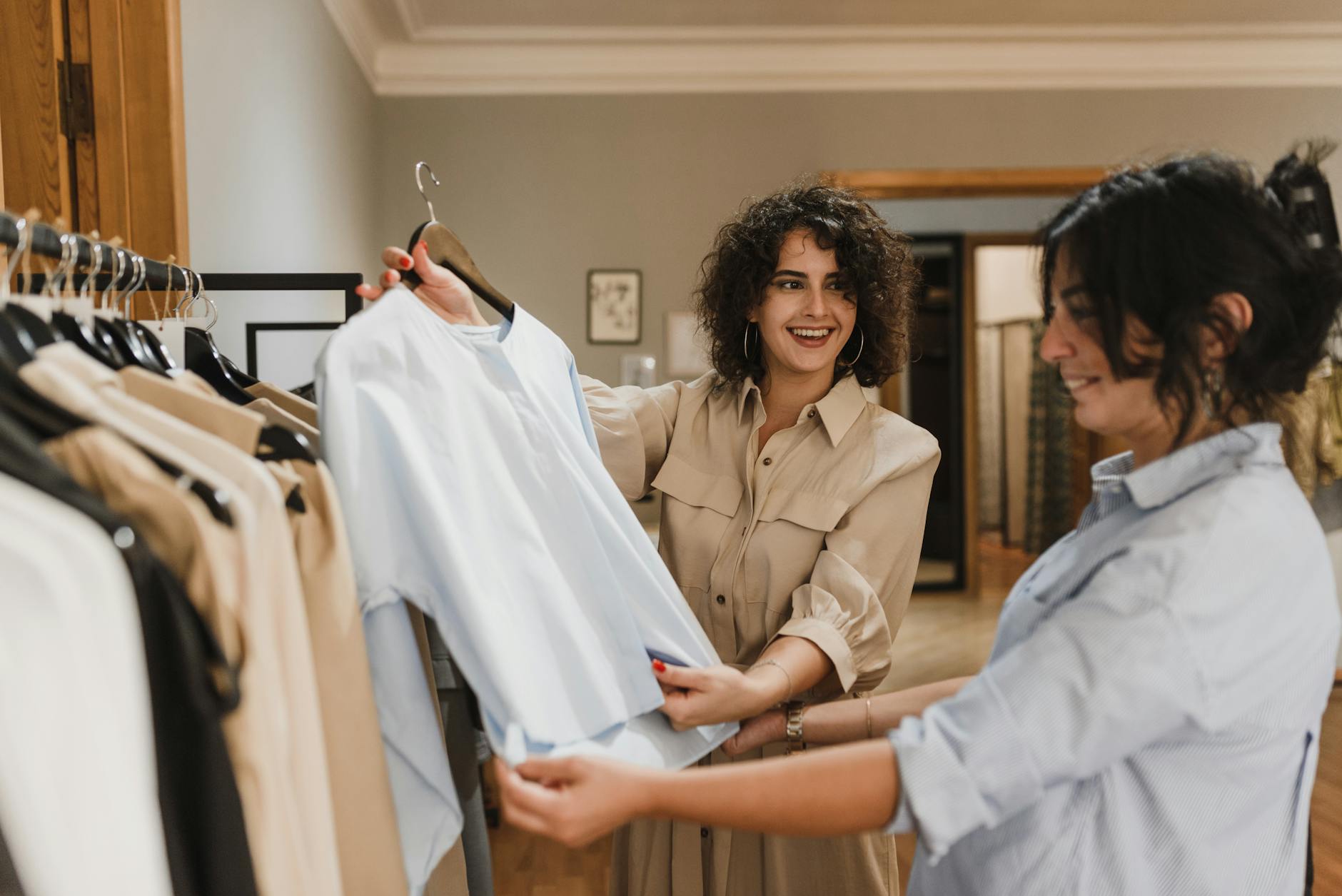
Australians have a complicated relationship with branded clothing. On one hand, they’ll happily wear a well-designed custom hoodie from a brand they love. On the other, they’ll toss a cheap screen-printed tee into the back of a wardrobe and never touch it again. Understanding custom apparel consumer behaviour in Australia isn’t just interesting from a market research perspective — it’s genuinely useful intelligence for any business, school, or organisation investing in branded merchandise. If you’re allocating budget towards custom clothing, knowing why people wear or discard branded apparel can dramatically improve your return on investment.
Why Consumer Behaviour Matters for Custom Apparel Decisions
Before diving into product selection or decoration methods, it’s worth stepping back and asking a fundamental question: what motivates Australians to actually wear branded clothing? The answer is more nuanced than most organisations realise.
Research consistently shows that wearability is the single biggest driver of retention. When someone receives a piece of branded apparel — whether it’s a polo at a corporate event in Sydney or a custom t-shirt at a Gold Coast school sports day — their decision to keep and wear it comes down to a handful of key factors: fabric quality, fit, design appeal, and relevance to their lifestyle. This is true across demographics and sectors.
Contrast this with what many organisations prioritise when ordering: price per unit and logo visibility. There’s an obvious tension here, and it explains why so much custom apparel ends up forgotten rather than worn. Bridging that gap — between what the buyer wants and what the end recipient values — is where smart merchandising decisions begin.
The Shift Towards Quality Over Quantity
One of the most significant trends shaping custom apparel consumer behaviour in Australia is the move away from volume-based thinking. Rather than ordering 500 cheap t-shirts with a large front logo, savvy organisations are opting for smaller runs of genuinely wearable garments. A Melbourne corporate team ordering 80 premium embroidered polo shirts will often generate more brand impressions over 12 months than an organisation distributing 400 basic tees that recipients never reach for.
This shift is closely connected to broader promotional products trends in Australia in 2026, where quality, sustainability, and utility are increasingly valued over sheer volume. Consumers — and by extension, the recipients of branded merchandise — are more discerning than ever.
Key Drivers of Custom Apparel Consumer Behaviour in Australia
Understanding the specific factors that influence how Australians engage with branded clothing helps organisations make smarter sourcing decisions. Here’s what the evidence points to.
Fabric and Construction Quality
Australian consumers are attuned to garment quality, particularly given the country’s climate diversity — from the heat of Darwin and Perth to the cooler conditions of Canberra and Hobart. Heavy cotton blends, moisture-wicking performance fabrics, and well-constructed seams all influence whether a garment gets worn regularly or sits unused.
Organisations investing in custom workwear, such as hi-vis vests for electrical contractors or uniforms for tradespeople, understand this instinctively — workwear has to perform or it simply won’t be used. The same logic applies to lifestyle and corporate apparel, even if it’s less obvious.
Design Aesthetics and Logo Placement
Logo size and placement have a measurable impact on wear rates. Large, centred logos on the front of a garment are the least preferred placement among general consumers, while smaller, subtler chest or sleeve logos tend to generate longer-term wearability. This doesn’t mean organisations should hide their branding — it means being thoughtful about scale and placement.
This also connects directly to choosing the right decoration method. Embroidery adds a tactile, premium feel that resonates particularly well on corporate apparel, while sublimation allows for full-colour, all-over designs that can be genuinely striking when the artwork is strong. Our overview of decoration and customisation options covers the key methods and their suitability for different garment types.
Sustainability and Ethical Production
Environmental consciousness is now a meaningful influence on how Australian consumers perceive branded products. Apparel produced from organic cotton, recycled fibres, or sourced from ethical supply chains is increasingly preferred — and this preference is particularly pronounced among younger demographics and in sectors like education and not-for-profits.
For organisations that want their branded apparel to align with these values, exploring sustainable promotional products in Australia is a logical next step. When recipients know a garment was produced responsibly, it adds a layer of brand affinity that a cheap imported tee simply cannot match.
Relevance and Lifestyle Fit
A branded item is only worn when it fits naturally into someone’s life. A reusable tote bag makes sense at a farmers’ market; a branded cap makes sense on a weekend hike or at a beach event. Custom apparel that connects with how people actually live tends to generate far more impressions over time.
This is why organisations with strong lifestyle alignment — sporting clubs, gyms, outdoor brands, hospitality venues — tend to get more mileage from their branded clothing than, say, a financial services firm distributing polo shirts with no particular occasion or context. It doesn’t mean organisations outside lifestyle sectors can’t do it well — it means they need to think harder about the occasion for which the garment is designed.
How Different Australian Sectors Approach Custom Apparel
Custom apparel consumer behaviour in Australia varies meaningfully across sectors. Understanding these differences helps organisations benchmark their own approach.
Corporate and Business Sector
Corporate buyers in cities like Sydney, Melbourne, and Brisbane tend to prioritise professional presentation and brand consistency. Embroidered polo shirts, soft-shell jackets, and quality corporate t-shirts are staples. The key tension in this sector is between the desire for premium presentation and budget constraints, particularly for larger team orders.
Organisations in this space also frequently bundle apparel with complementary items — think branded travel coffee mugs or reusable water bottles — to create cohesive merchandise sets for conferences, onboarding kits, or client gifts.
Education Sector
Schools across Australia — from primary schools in Adelaide to universities in Brisbane — are significant consumers of custom apparel. Sports carnivals, school camps, graduation events, and club activities all drive demand for branded clothing. In this sector, affordability and durability are paramount, and the decoration method of choice is typically screen printing given its cost-effectiveness at volume.
Interestingly, student and parent engagement with school apparel is strongly tied to a sense of belonging and identity. A well-designed school hoodie isn’t just a garment — it’s a piece of community identity, which explains why quality matters even in budget-conscious educational settings.
Events and Trade Shows
At trade shows and expos, branded apparel serves a dual function: it identifies staff clearly and creates a professional impression for visitors. Organisers of booths at major expos — whether following trade show booth strategies or setting up a first display at a regional expo — typically need apparel that’s easy to produce in multiple sizes, visually consistent, and comfortable to wear across a full event day.
If you’re planning a trade show presence, our guide to trade show booth essentials explores how branded apparel fits into the broader visual strategy for event marketing.
Practical Implications for Organisations Ordering Custom Apparel
Armed with an understanding of Australian consumer behaviour around branded clothing, here’s how that translates into practical sourcing decisions.
Invest in Fewer, Better Garments
The evidence strongly supports quality over quantity. A Brisbane sporting club might order 120 premium sublimated jerseys rather than 300 basic tees. The jersey gets worn to every training session and game; the tee gets worn once and forgotten.
Match the Garment to the Occasion
Think carefully about when and where recipients will wear the item. Summer events in Perth call for lightweight, breathable fabrics. A Melbourne corporate retreat might warrant a quality zip-up fleece. Context-appropriate garments are worn more often and generate more brand impressions per dollar spent.
Consider Decoration Method Carefully
The decoration method affects both appearance and longevity. Screen printing is cost-effective for large runs but can crack or fade. Embroidery is durable and premium but adds cost. Sublimation is ideal for all-over designs but requires polyester fabrics. Matching the method to the garment type and end use is essential. You can explore broader industry context in our look at the promotional product industry workforce and employment trends to understand how supplier capabilities are evolving.
Plan for Lead Times and Supply Chain Realities
Custom apparel orders — particularly those involving offshore production or complex decoration — carry real lead time considerations. Understanding the shipping and logistics challenges in promotional product supply helps organisations plan ahead and avoid costly rush orders that often compromise quality.
Bundle Apparel with Complementary Products
Custom apparel works best as part of a cohesive merchandise strategy. Pairing branded clothing with useful everyday items — promotional notebooks made from recycled materials, branded accessories, or even sector-specific items — creates a more memorable and impactful brand experience.
Conclusion: What Smart Organisations Take Away
Understanding custom apparel consumer behaviour in Australia is ultimately about closing the gap between what organisations want (brand visibility) and what recipients value (wearable, well-made, relevant clothing). The organisations that get this right generate far more brand impressions per dollar spent than those chasing volume alone.
Here are the key takeaways to guide your next custom apparel investment:
- Quality drives wear rates — better garments are worn more often and for longer, generating significantly more brand impressions over time
- Design and logo placement matter — subtle, well-placed branding tends to produce more wearable garments than large, dominant logos
- Sustainability is increasingly influential — eco-conscious production resonates strongly with Australian consumers, particularly younger demographics
- Context is everything — matching the garment type, fabric, and style to the occasion and lifestyle of recipients dramatically improves engagement
- Plan early — supply chain realities mean lead times must be factored into any serious custom apparel project, especially for larger or complex orders
By applying these insights to your next branded clothing project — whether you’re a Sydney corporate team, a Hobart sporting club, or a Brisbane school — you’ll be in a much stronger position to deliver apparel that people actually want to wear.