
Promotional Notebooks Made from Recycled Materials: The Complete Australian Buyer's Guide
Discover how to choose, order, and brand promotional notebooks recycled from sustainable materials for Australian businesses, schools, and events.

Written by
Caitlin Savage
Stationery & Office
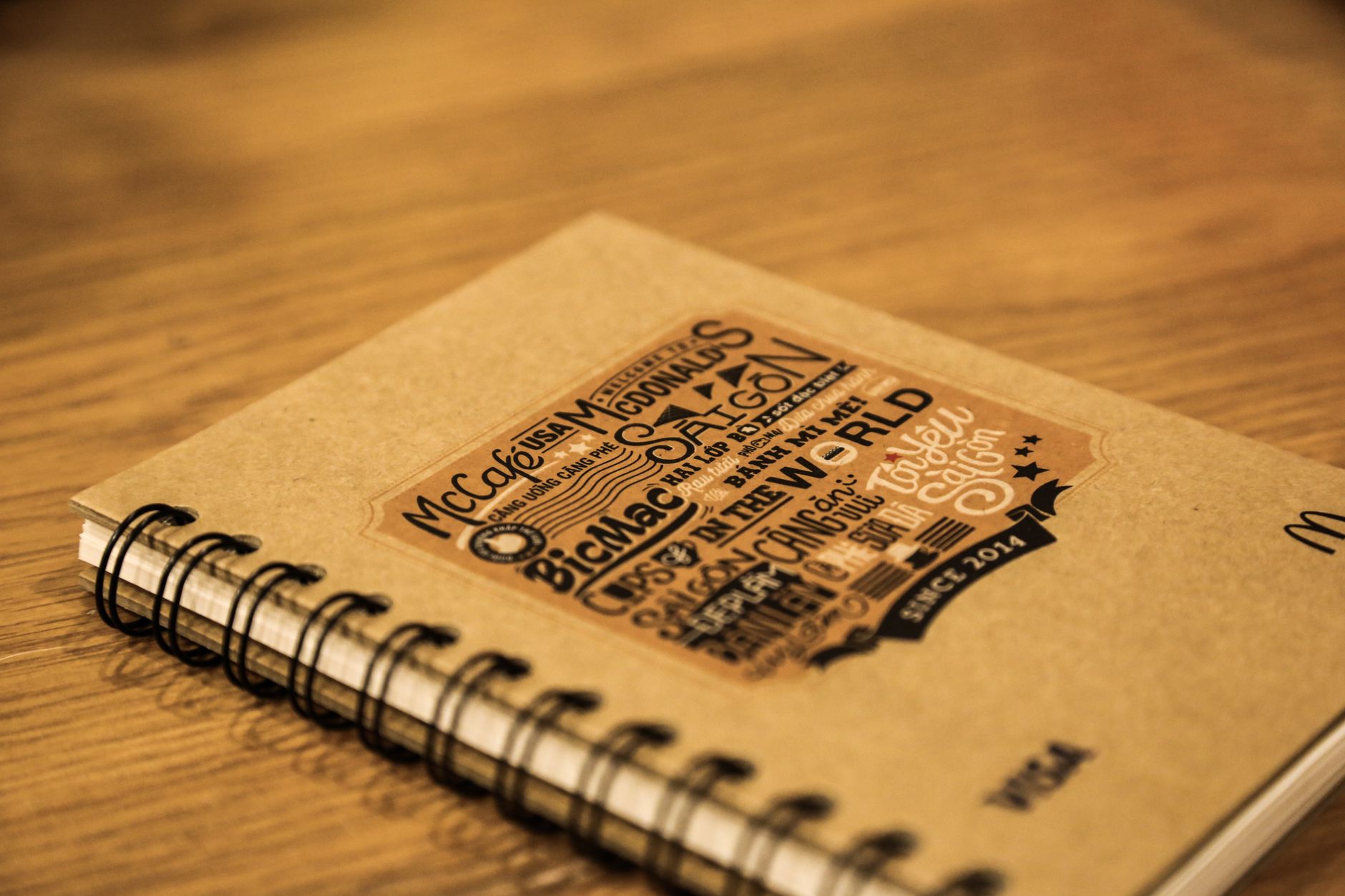
Choosing the right branded stationery for your organisation is rarely as simple as picking a product and slapping a logo on it. But when it comes to promotional notebooks recycled from sustainable materials, you have a genuinely exciting opportunity — one that aligns your brand with values that matter to modern audiences, delivers lasting utility, and makes a strong impression long after the event, campaign, or conference is over. Whether you’re a Sydney marketing agency building out a client gift package, a Melbourne school preparing for an environmental awareness day, or a Brisbane corporate team sourcing conference packs, recycled notebooks offer a powerful blend of practicality and purpose.
Why Promotional Notebooks Recycled from Sustainable Materials Are Having a Moment
Sustainability is no longer a niche concern. In 2026, Australian consumers, employees, and students are increasingly attentive to the environmental credentials of the brands and organisations they engage with. Branded merchandise plays a surprisingly central role in that perception.
The good news? Promotional notebooks recycled from post-consumer waste, kraft paper, stone paper, or agricultural by-products are now widely available, well-priced at volume, and available in a range of styles that can suit everything from premium executive gifting to everyday student use.
What makes recycled notebooks stand out as a promotional product specifically? A few key reasons:
- High perceived value — a quality notebook feels substantial, considered, and useful
- Longevity — notebooks are used repeatedly over weeks or months, giving your branding extended exposure
- Eco-alignment — the recycled element signals environmental responsibility without requiring a lengthy explanation
- Versatility — suitable for corporate events, school programs, NFP campaigns, government departments, and more
For organisations already investing in sustainable promotional products in Australia, recycled notebooks are often one of the first additions to a greener merchandise range — and for good reason.
Types of Recycled Notebooks Available for Branding
Not all recycled notebooks are created equal, and understanding the key material types will help you make a smarter purchasing decision.
Post-Consumer Recycled (PCR) Paper Notebooks
The most common form of eco-friendly notebook uses paper made from post-consumer recycled content — typically old newspapers, cardboard, and office paper that have been processed and repulped. These notebooks often carry certifications such as FSC (Forest Stewardship Council) or PEFC, which provide independent verification of responsible sourcing.
PCR notebooks are a safe, reliable choice for most applications. They’re cost-effective, available in large volumes, and compatible with most decoration methods.
Kraft Paper Notebooks
Kraft paper notebooks have a distinctive natural brown look that communicates an organic, earthy aesthetic. The material is minimally processed and typically unbleached, making it a popular choice for cafés, wellness brands, creative agencies, and eco-focused NFPs.
If your brand uses natural tones, earthy colour palettes, or has a sustainability focus, kraft notebooks can reinforce that identity powerfully. They pair beautifully with promotional canvas bags and reusable water bottles as part of a cohesive eco-friendly merchandise set.
Stone Paper Notebooks
Stone paper is made from calcium carbonate (a by-product of construction and quarrying) combined with a non-toxic resin binder. It contains no wood pulp, requires no water to manufacture, and is tear-resistant and waterproof — making it excellent for outdoor or fieldwork environments.
Stone paper notebooks tend to be positioned at the premium end of the recycled product range. They’re an excellent choice for government departments, environmental organisations, and construction or engineering firms — particularly those in Queensland, Western Australia, and the Northern Territory where conditions can be demanding.
Notebooks with Recycled Covers
Some notebooks feature recycled or upcycled covers — made from materials like reclaimed leather, recycled PET (from plastic bottles), denim offcuts, or cork — paired with FSC-certified or recycled interior pages. These offer a distinctive aesthetic with strong storytelling potential for brand presentations.
Decoration Methods for Recycled Notebooks
Choosing the right decoration method is just as important as choosing the right notebook. The surface material will influence what’s possible.
Debossing and Embossing
Debossing (pressing your logo into the cover) is one of the most premium-looking decoration options and works particularly well on soft-cover or leatherette recycled notebooks. It creates a tactile, understated impression that feels high-end without relying on ink.
Screen Printing
Screen printing delivers bold, vibrant colour and is well-suited to hard covers and flat surfaces. It’s ideal for notebooks where you want strong brand visibility — think trade show giveaways or school promotional packs. Minimum order quantities (MOQs) for screen printing typically start at 50–100 units depending on the supplier.
For more on how to plan merch for expos and events, our trade show booth ideas guide and trade show booth planning resource cover the essentials in detail.
Laser Engraving
For cork, bamboo, or certain recycled hard-cover materials, laser engraving produces a crisp, permanent result with zero ink required. It’s an attractive, eco-consistent choice — no chemicals, no consumables.
Digital Printing / Full-Colour Printing
Digital printing allows for photographic-quality imagery and complex designs across the cover. It’s particularly useful when you need multiple design variations or personalised names on notebooks — for example, creating individual notebooks for delegates at a national conference.
Ordering Tips: MOQs, Lead Times, and Budget
When planning a promotional notebook order in Australia, a few practical considerations will make the process significantly smoother.
Minimum Order Quantities
Most recycled notebooks are available from as low as 25–50 units for simple pad printing or digital printing, though embossed or debossed options typically require 100+ units to be cost-effective. If you’re ordering for a large-scale corporate event or a government department across multiple offices, bulk orders of 500+ units generally unlock meaningful per-unit savings.
Lead Times
Standard branded notebook orders in Australia typically require 10–15 business days from artwork approval to delivery. If you’re ordering from overseas-manufactured stock, allow 4–6 weeks, especially around Chinese New Year or the Australian holiday period. Always factor in time for a pre-production sample and proof approval — this is non-negotiable for large orders.
Budget Considerations
Entry-level recycled notebooks (A5, recycled cover with lined pages) generally sit in the $3–$7 range per unit at volumes of 250+. Premium options — stone paper, cork covers, or debossed leatherette — can range from $8–$18 depending on specification and quantity. This compares favourably with other mid-tier promotional products like portable power bank chargers or branded travel coffee mugs, especially when you consider the daily usage rate.
Artwork Requirements
Most suppliers will require vector artwork (AI, EPS, or PDF format) for logo-based decoration. If you’re working with photography or complex gradients for a full-colour cover, high-resolution files at 300dpi are essential. Always ask your supplier to send a digital proof — and ideally a physical pre-production sample for orders above $500 total value.
Best Use Cases for Branded Recycled Notebooks
Recycled notebooks are remarkably versatile. Here are some of the most effective applications across different sectors.
Corporate Events and Conferences
A Perth or Melbourne-based corporate event using recycled notebooks as part of the delegate pack sends an immediate message: this organisation is thoughtful about its choices. Pair with a branded pen and a reusable water bottle for a clean, cohesive eco-pack that attendees will actually use and keep.
Schools and Educational Institutions
Schools across Australia — from primary level through to TAFEs and universities — are increasingly expected to model sustainable behaviour. Branded recycled notebooks for environmental programs, awards ceremonies, or orientation packs are a practical way to reinforce those values. Schools might also consider complementing this with personalised certificates for community service recognition to create a meaningful recognition package.
NFPs and Charities
For not-for-profit organisations, branded recycled notebooks can serve as donor gifts, volunteer appreciation items, or campaign merchandise. They communicate that your organisation values its resources and the environment — both qualities your supporters will appreciate. They fit neatly within a broader promotional products strategy that aligns with mission-driven values.
Government and Councils
Local councils in cities like Adelaide, Canberra, and Hobart regularly source branded stationery for community engagement programs, public consultations, and staff kits. Recycled notebooks with council branding are particularly well-received in sustainability or environmental initiatives. For organisations planning broader merchandise programs, our promo material planning guide provides a useful framework.
Small Businesses and Retail
Retailers and small businesses can use branded recycled notebooks as a premium add-on to purchases or as part of a loyalty program. A wellness studio might pair one with promotional essential oils for gym and fitness centres, while a bakery could include one alongside promotional branded measuring spoon sets for a memorable gifting moment.
What to Look for in a Supplier
When sourcing promotional notebooks recycled from genuine sustainable materials, it’s worth asking suppliers the right questions:
- What certifications does the product hold? Look for FSC, PEFC, or recycled content certifications with verifiable percentages.
- Is the recycled claim independently verified? Greenwashing is a real concern — ask for documentation.
- What’s the origin of the product? Australian-sourced or ethically manufactured options are available and worth specifying.
- Do they offer samples? Any reputable supplier should offer pre-production samples for significant orders.
- Are decoration methods eco-conscious? Water-based inks, zero-VOC processes, and digital proofing all contribute to a lower environmental footprint.
This due diligence matters, particularly if you’re a business or organisation making sustainability claims publicly. Our overview of promotional product industry trends explores how supplier accountability is increasingly shaping purchasing decisions across Australia.
Conclusion: Key Takeaways for Ordering Promotional Notebooks Recycled from Sustainable Materials
Recycled promotional notebooks represent one of the smartest investments in sustainable branded merchandise available to Australian businesses, schools, and organisations in 2026. They’re practical, high-visibility, well-priced at volume, and carry genuine environmental credibility when sourced responsibly.
Here’s a summary of the most important things to keep in mind:
- Choose the right material for your context — PCR paper for general use, stone paper for durability, kraft for aesthetic appeal, and cork or upcycled covers for premium gifting
- Match your decoration method to the surface — debossing and laser engraving work beautifully on eco materials and reinforce the sustainable message
- Plan lead times carefully — allow at least 2–3 weeks for standard orders, and longer if physical samples are required
- Ask the right questions about sustainability credentials — certifications and transparency matter, especially for organisations making public sustainability commitments
- Integrate notebooks into a broader merchandise strategy — they work exceptionally well as part of a curated eco-friendly pack alongside bags, bottles, and stationery
Whether you’re ordering 50 units for a school sustainability fair in Hobart or 2,000 notebooks for a national corporate conference in Sydney, getting these fundamentals right will ensure your branded recycled notebooks leave a lasting, positive impression — for your audience and for the planet.