
Compostable Branded Coffee Cups for Sustainable Cafes and Conscious Businesses
Discover how compostable branded coffee cups help Australian cafes and businesses reduce waste while keeping their brand front and centre.

Written by
Sigrid Holm
Eco & Sustainable Products
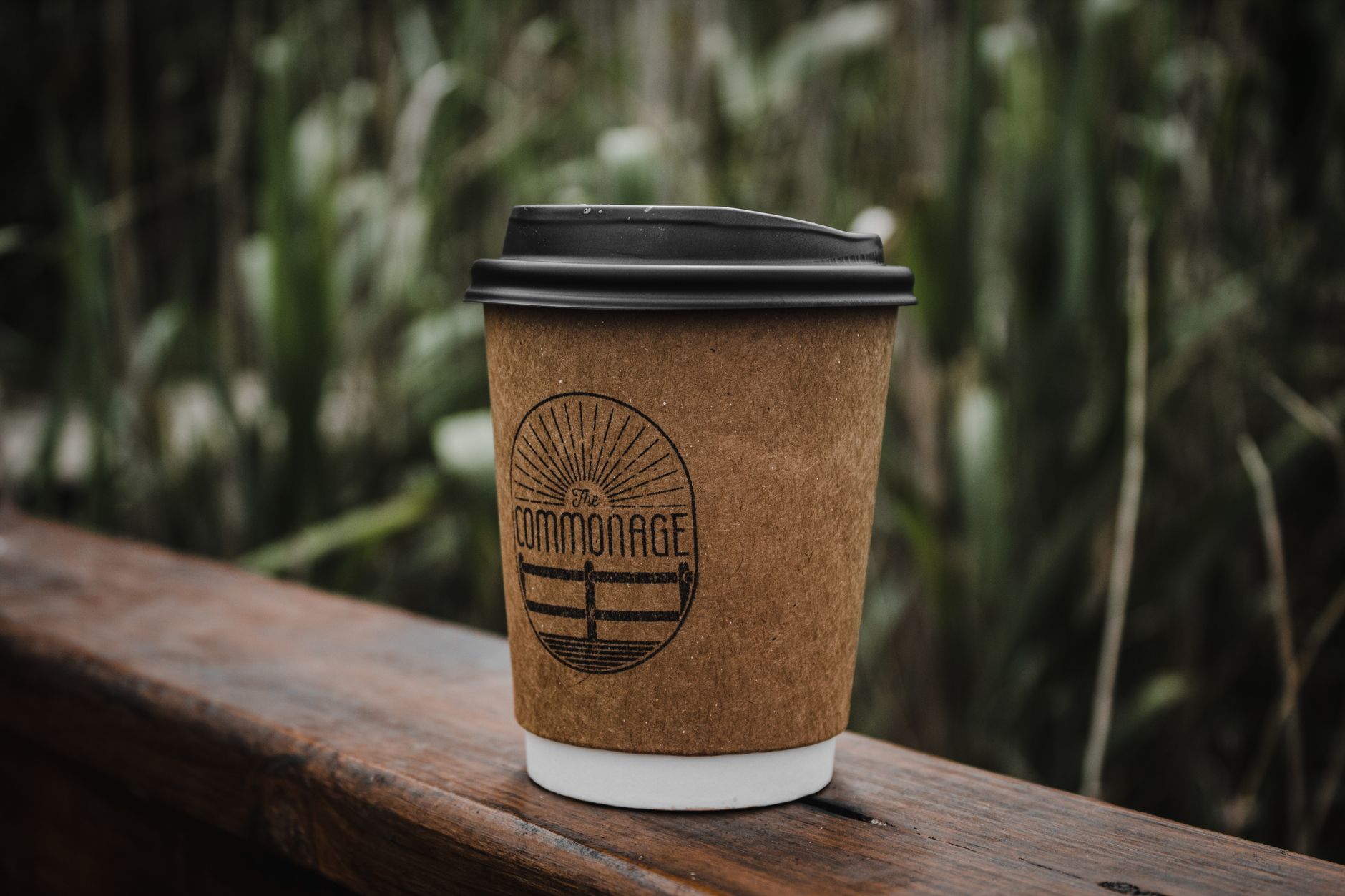
Choosing the right takeaway cup for your café or business is no longer just about keeping drinks hot. In 2026, customers across Australia are paying closer attention to the environmental footprint of every brand they interact with — and your disposable coffee cup is one of the most visible touchpoints in that relationship. For cafes, corporate event organisers, and businesses running branded activations, compostable branded coffee cups for sustainable cafes offer a powerful way to align your values with your visual identity. Done right, they communicate genuine environmental commitment at scale, turning every flat white or long black into a statement about who you are as a business.
Why Compostable Coffee Cups Matter More Than Ever
Australia’s love affair with coffee is well documented. We’re a nation of café regulars, takeaway loyalists, and office coffee enthusiasts. But that passion comes with an environmental cost — billions of disposable cups end up in landfill each year, largely because traditional paper cups are lined with polyethylene plastic, making them impossible to recycle through standard kerbside systems.
Compostable cups, by contrast, are designed to break down in commercial composting facilities. The best options use plant-based linings (often made from PLA — polylactic acid derived from corn starch) and FSC-certified paperboard. When these cups are disposed of correctly through commercial composting infrastructure, they leave behind no harmful residue.
For businesses and cafes that are serious about sustainability, making the switch to compostable branded cups signals authenticity. It’s one thing to say you care about the environment — it’s another to serve every single customer a cup that actually backs that claim up. And when that cup carries your logo, your brand becomes synonymous with responsible choices.
If you’re exploring the broader landscape of environmentally responsible promotional items, our comprehensive overview of sustainable promotional products in Australia is a great place to start building your strategy.
Understanding the Different Types of Compostable Cups
Before you place an order for branded compostable cups, it’s worth understanding what’s actually available in the Australian market — because not all compostable cups are created equal.
PLA-Lined Paper Cups
These are the most widely available compostable option. They look and feel almost identical to standard paper cups but use a plant-based lining instead of polyethylene. They’re suitable for hot beverages up to around 85–90°C, making them perfect for espresso-based drinks, teas, and filter coffee. They require commercial composting to break down properly — they won’t compost in your home bin.
Aqueous-Coated Paper Cups
These cups use a water-based coating instead of any plastic or PLA lining. While not technically compostable in all cases, some certifications recognise them as more easily recyclable. They’re a good transitional option for cafes operating in areas with limited composting infrastructure.
Bagasse Cups
Bagasse is the fibrous residue left after sugarcane juice is extracted. Bagasse cups are fully compostable, have excellent heat resistance, and are naturally sturdier than paper alternatives. They’re especially popular for cups in the 8oz to 16oz range and are growing in popularity across Queensland and New South Wales.
Double-Wall Compostable Cups
For cafes where customers tend to linger and want insulation without a sleeve, double-wall compostable options offer extra hand protection. These are slightly more expensive per unit but command a premium feel and are a strong branding canvas due to their larger exterior surface area.
Regardless of which format you choose, certification matters. Look for cups certified under Australian standard AS 4736 (commercial composting) or the seedling logo certification to ensure genuine compostability. Your supplier should be able to provide documentation on request.
Branding Options for Compostable Coffee Cups
One of the most common concerns we hear from businesses is whether compostable cups can actually be decorated to a professional standard. The short answer is yes — and the results can be impressive.
Flexographic Printing
This is the most common decoration method for large-volume cup runs. It uses water-based inks applied in individual colour layers, making it compatible with the compostable certification of the cup. Most standard cup printers can handle 1 to 6 colour prints, with full-wrap designs available on most sizes.
For a Sydney café chain ordering 10,000 cups, flexographic printing offers the best cost-per-unit outcome, typically with setup fees amortised across the run. MOQs (minimum order quantities) for flexographically printed cups generally start at 1,000 units, though some suppliers will work with runs as small as 500 for specific sizes.
Digital Printing on Cups
For shorter runs or event-specific designs — say, a Melbourne corporate conference needing 300 cups for a one-day activation — digital printing is increasingly viable. It allows full-colour photographic quality without the setup plates required for flexographic printing. Per-unit costs are higher, but there’s no colour limitation and no setup fee in the traditional sense.
Sleeve and Wrap Options
Some businesses opt for plain compostable cups combined with custom-printed compostable sleeves. This is a practical middle ground: the sleeves can be produced in smaller quantities and changed seasonally or for different campaigns, while the base cups are purchased in bulk to reduce cost.
Practical Ordering Considerations
Getting compostable branded coffee cups right requires a bit more planning than a standard stationery order. Here are the key practical details to keep in mind.
Lead Times
Branded compostable cups are not typically a quick turnaround item. For custom-printed runs, allow 3 to 5 weeks from artwork approval to delivery for standard orders. Rush production may be available at an additional cost, but this is product-dependent. If you’re sourcing cups for a major event or a café relaunch, build in lead time accordingly. Our article on shipping and logistics challenges in promotional product supply outlines why supply chain planning matters, especially for time-sensitive projects.
Artwork Requirements
Cup artwork is typically prepared as a flat wrap template provided by your supplier. Most compostable cup suppliers require vector files (AI or EPS format) with a minimum resolution of 300dpi for any raster elements. PMS colour matching is available for flexographic runs, which is essential for maintaining brand consistency across your cup and other branded materials.
Pricing and Budget
Compostable cups carry a premium over conventional plastic-lined cups — typically 15 to 35% more per unit depending on material and print method. For a Brisbane café averaging 500 cups per day, this additional cost is real but worth framing as a marketing and brand investment. Many customers are willing to pay a small premium for their coffee knowing it comes in packaging that won’t sit in landfill for decades. Some cafes communicate this openly on their menus or POS materials, turning the cup itself into a conversation starter.
Composting Infrastructure
This is the one aspect of compostable cups that doesn’t get discussed enough. For the environmental benefit to actually be realised, cups need to end up in commercial composting streams — not general waste. If your café or event venue has access to a commercial composting bin collection, you’re in good shape. If not, it’s worth contacting your local council in Adelaide, Perth, or wherever you’re based to explore what options exist. Some waste management providers service hospitality venues specifically.
Beyond the Cup: Building a Broader Sustainable Brand Identity
Compostable coffee cups can be the centrepiece of a broader eco-conscious brand story — but they work best as part of a layered approach to sustainable merchandising. Pairing your cups with other environmentally responsible branded items reinforces the message at every customer touchpoint.
For example, a Gold Coast café could complement its compostable cups with reusable branded water bottles sold at the counter, encouraging regulars to bring their own vessel. Corporate clients running conferences could pair compostable cups with recycled branded notebooks in attendee packs to create a cohesive eco-narrative. If you’re thinking about a trade show or expo setup, our guide to trade show booth ideas includes practical advice on building sustainable activation spaces.
For businesses interested in what’s trending in eco merchandise more broadly, our roundup of promotional product trends in Australia for 2026 highlights how sustainability has moved from a niche consideration to an expectation across most industry sectors.
And if you’re pairing your café branding with a loyalty or gifting program, items like branded travel coffee mugs offer a reusable alternative that keeps your logo in circulation for years — a complementary strategy to your cup program, not a competing one.
Common Questions from Cafes and Event Teams
Can compostable cups go in the microwave? Most compostable paper cups are not microwave-safe. If this is a priority, explore bagasse cup options, though always confirm with your supplier.
Do compostable cups look professional? Absolutely. Modern print finishes on compostable cups are indistinguishable from conventional cup printing. A well-designed wrap print on a double-wall compostable cup looks premium.
Are compostable cups suitable for cold drinks? Some compostable cups are designed specifically for cold beverages. Confirm the temperature rating with your supplier before ordering for iced drink applications.
What certifications should I look for? AS 4736 (Australian commercial composting standard) and the European EN 13432 standard (widely accepted in Australia) are the key benchmarks. The seedling logo is a recognised certification mark.
Conclusion: Compostable Branded Coffee Cups for Sustainable Cafes as a Brand Investment
Making the switch to compostable branded coffee cups for sustainable cafes is one of the clearest, most visible ways a business can demonstrate environmental leadership. The cup is in your customer’s hands for 10 to 15 minutes — it’s prime real estate for your brand and your values simultaneously.
Here are the key takeaways from this guide:
- Compostable cups require correct disposal infrastructure — pair your switch with education about how to use composting bins properly, both in-venue and for event settings.
- Certification matters — look for AS 4736 or EN 13432 certification to ensure genuine compostability, not just marketing language.
- MOQs typically start at 500–1,000 units for custom-printed runs, so plan quantities carefully against your typical usage.
- Lead times of 3–5 weeks are standard for branded orders — plan early, especially for events and seasonal campaigns.
- Layer your eco branding — compostable cups are most powerful when paired with other sustainable branded products across your customer experience.
Whether you’re a single-origin café in Hobart, a corporate catering team in Canberra, or an event organiser planning a large-scale conference in Darwin, compostable branded cups give you a daily branding opportunity that also does genuine environmental good. That’s a combination worth investing in.